DATA PANEL / PHARMACOKINETICS + RESEARCH DOSES
BPC-157 Dosing and Pharmacokinetics
Research-context only. All dosing data from preclinical studies and human pilot literature.
The numbers from the studies
The dosing data on this page comes from formal pharmacokinetic studies in rats and beagle dogs, plus the three published human pilot studies. These are research-context parameters — not guidance for any human or animal use.
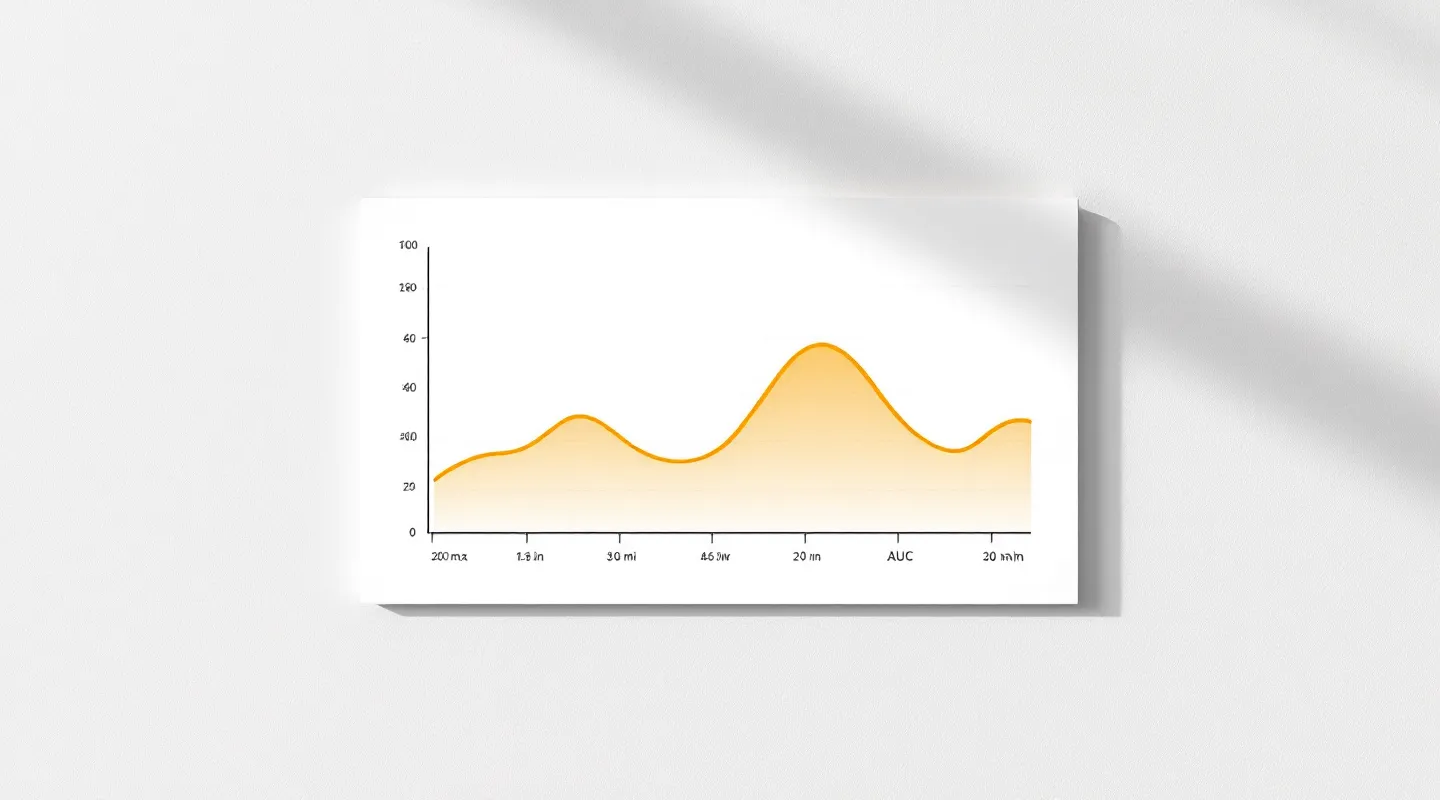
A 2022 PK study established the core numbers: elimination half-life under 30 minutes in both species, intramuscular bioavailability of 14–19% in rats and 45–51% in dogs, and peak plasma concentration at 3–9 minutes after injection. Rodent studies commonly use 10 microg/kg, 10 ng/kg, and 10 pg/kg intraperitoneal — a picogram-to-microgram range across which efficacy has been reported in multiple models.
One pharmacologically notable feature: BPC-157 is stable in gastric acid, enabling oral delivery. Several preclinical studies found per-oral dosing in drinking water produced outcomes comparable to intraperitoneal injection, though formal oral bioavailability in AUC terms has not been quantified. All dose values on this page are presented in monospace type to mark them as data, not recommendations.
Pharmacokinetics
A 2022 formal PK study in Sprague-Dawley rats and beagle dogs documented BPC-157 pharmacokinetics across IV and intramuscular routes [11]:
- Elimination half-life: Less than 30 minutes in both species after IV and IM administration.
- Cmax timing: Peak plasma concentration at 3–9 minutes post-IM injection.
- IM bioavailability: 14–19% in rats; 45–51% in beagle dogs.
- Dose-proportionality: Linear dose-proportional kinetics confirmed at IV doses of 20 μg/kg in rats and 6 μg/kg in dogs; IM dose ladders of 20/100/500 μg/kg (rat) and 6/30/150 μg/kg (dog) all confirmed linear behavior.
- Tissue distribution: Highest concentrations post-IV in kidney, liver, and stomach — consistent with the peptide's gastric-derived origin.
- Excretion route: Primarily via urine and bile through rapid peptide fragmentation.
Despite the short systemic half-life, in vivo efficacy in tissue-repair models persists well beyond plasma clearance — possibly via rapid receptor engagement triggering downstream gene expression cascades that outlast the peptide's plasma presence. This dissociation between PK and PD has been noted in the 2025 Pharmaceuticals review [20].
Gastric stability is a distinct property: BPC-157 survives the acidic and peptic gastric environment without a protective carrier, enabling per-oral delivery. This property distinguishes it from most therapeutic peptides, which require parenteral-only dosing. It is attributed to the peptide's derivation from the gastric cytoprotective protein.
Research Doses by Study Type
The following dose ranges appear in the peer-reviewed preclinical literature. These are study-context parameters; they are not dosing recommendations for any purpose.
Intraperitoneal injection (rodent models — most common route):
- Standard dose ladder: 10 μg/kg, 10 ng/kg, 10 pg/kg. Multiple studies show efficacy across this picogram-to-microgram range.
- Used in: tendon [1], ligament [3], wound [4], muscle [5], angiogenesis [7][8][12][13], neurological [9][10] models.
Oral administration (drinking water or gavage):
- 10 μg/kg/day and 10 ng/kg/day in drinking water (approximately 0.16 μg/mL, 12 mL/rat/day).
- Used in: ligament healing [3], muscle-to-bone reattachment [18], vascular occlusion [8].
- Oral per-oral delivery produced results comparable to IP in multiple studies — consistent with gastric acid stability.
Topical cream:
Subcutaneous injection:
- 10 μg/kg and 10 ng/kg in intra-abdominal hypertension reperfusion model [12].
Intramuscular injection (dog PK study):
- 6, 30, 150 μg/kg; used in formal PK dose-response characterization only [11].
Local injection (into injury site):
- 10 μg/kg directly into a 0.8 cm rabbit radial bone defect [6].
High-dose toxicology reference:
- No toxic dose established up to 20 mg/kg in rats and 10 mg/kg in dogs across toxicology studies surveyed in the 2025 patent and literature review [20].
Human pilot doses (not preclinical):
Administration Routes in Research Context
Nine distinct routes appear across the published literature for BPC-157:
- Intraperitoneal (IP) — Standard rodent research route; rapid systemic absorption. No equivalent in human clinical practice.
- Subcutaneous (SC) — Used in hypertension-reperfusion study [12].
- Intramuscular (IM) — Used in formal PK characterization; bioavailability 14–19% (rat) and 45–51% (dog) [11].
- Intravenous (IV) — Used in PK studies and the 2025 human safety pilot (10 and 20 mg infused over 1 hour) [11][14].
- Oral gavage — Rodent research via gavage syringe.
- Oral in drinking water — Ad libitum per-oral in drinking water; consistent efficacy with IP in matched studies [3][18].
- Topical cream (1 μg/g) — Direct application to wound or injured tissue surface [3][4][5].
- Local injection into injury site — Direct injection into bone defect in the rabbit model [6].
- Intravesical instillation — 10 mg injected directly into the bladder; used in the human interstitial cystitis pilot [15].
Route-dependent bioavailability is clearly established only for IV and IM administration in rats and dogs. Oral bioavailability has not been formally quantified — the per-oral efficacy data is functional (tissue healing outcomes) without formal AUC-based bioavailability measurements.
The 2022 PK study identified kidney, liver, and stomach as the highest-concentration tissues post-IV in rats and dogs, and primary excretion via urine and bile through rapid peptide fragmentation [11].
Half-Life and Sustained Efficacy: A Note on PK-PD Dissociation
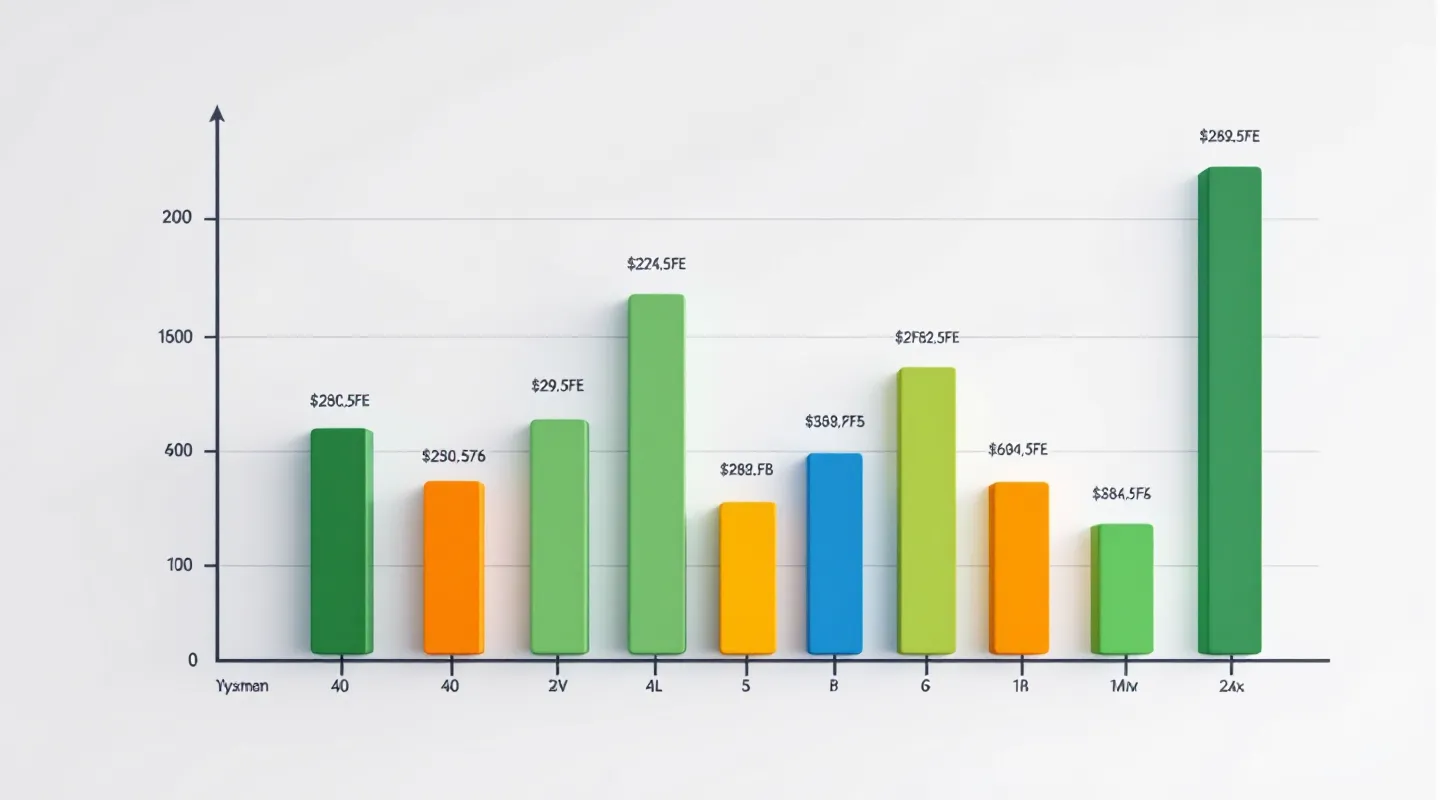
The plasma elimination half-life of less than 30 minutes raises a pharmacologically interesting question: how does a peptide with a sub-30-minute half-life produce tissue repair effects that were measured at day 14, day 28, and day 90 in published studies?
The preclinical literature points to rapid receptor engagement — particularly via the VEGFR2 pathway — triggering downstream transcriptional cascades (VEGF upregulation, CD34 expression, FAK-paxillin activation) that continue well after BPC-157 has been cleared systemically [7][17]. In this model, BPC-157 functions more like an initiating signal than a sustained mediator.
This pharmacokinetic-pharmacodynamic dissociation is characteristic of several peptide-based compounds studied in tissue repair contexts. The 2025 Pharmaceuticals review [20] identifies the short half-life as a key formulation consideration — a factor driving the ten active patents documented in that review for combination therapies and novel delivery systems.
The practical implication for research study design is that once-daily dosing regimens (as used in most published studies) may not reflect continuous systemic exposure. Whether the rapid signal-initiation model fully explains the sustained healing effects, or whether gastric stability and local tissue retention contribute independently, remains an open research question.